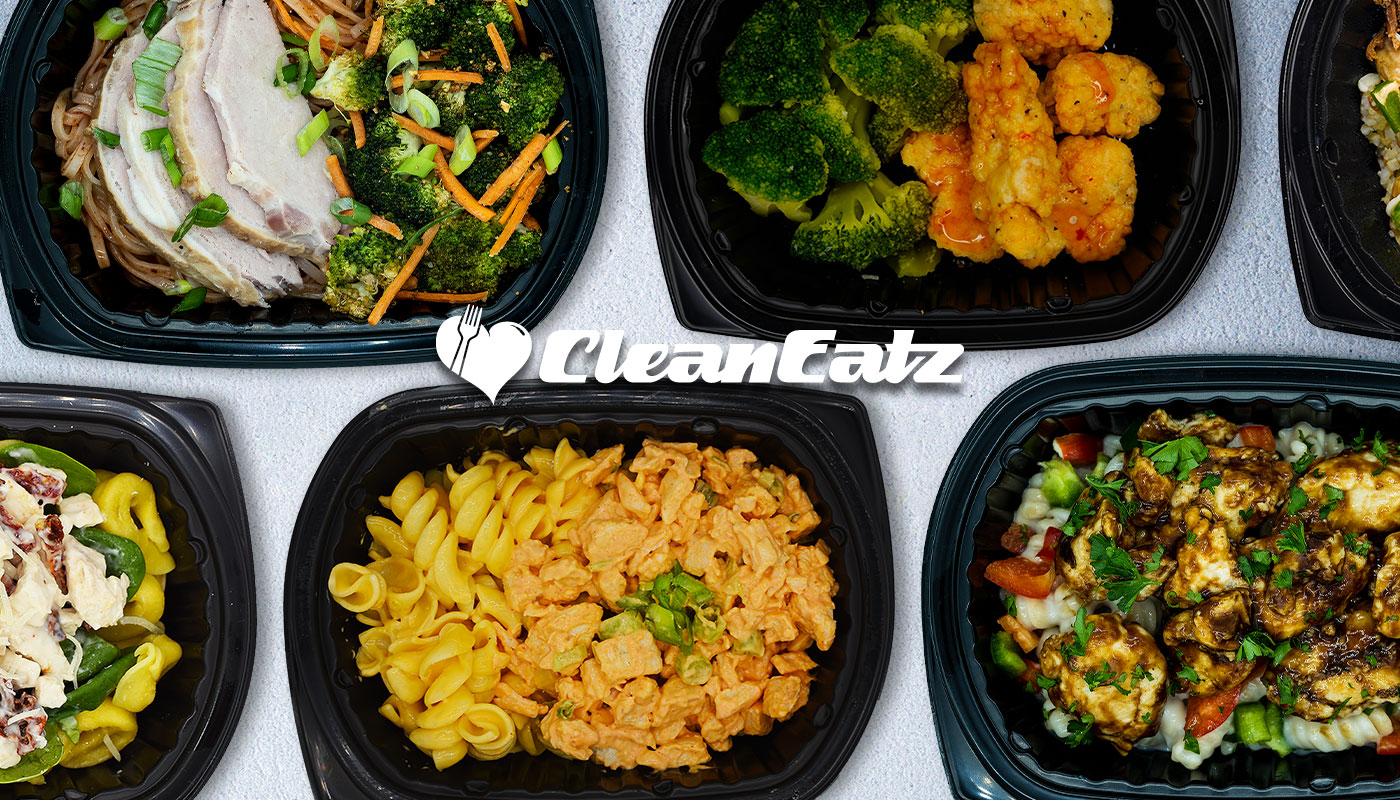
Guide
What is clean eating? A beginner's guide
Clean eating means building most meals from whole, minimally processed foods and cutting back on added sugar, refined grains and extra salt.

By Romaine Rusnak, RD, LDN, Registered Dietitian at Clean Eatz. Published October 16, 2026.

TL;DR
Clean eating is a way of choosing food, not a strict diet: fill most plates with whole or lightly processed foods and eat less of the heavily processed kind.
- Limit added sugar, refined grains, extra salt and sugary drinks, and read ingredient lists first.
- Start with one meal a day and aim for most meals, not every meal.
- You don't have to cook: a weekly meal plan or ready meal counts too.
Overview
Clean eating is a simple idea with a messy reputation. Strip away the hashtags and it means this: build most of your meals from whole or lightly processed foods, and eat less of the stuff made mostly in a factory.
You don't need a cleanse, a pantry full of organic labels or a rule against carbs. You need a few habits. Read ingredient lists. Keep good staples at home. Have a plan for the nights you won't cook.
This guide explains the term and what to limit. Then it gets practical, ending with a one-day meal plan you can cook or pick up.
1What is clean eating
At Clean Eatz, clean eating means eating as many of the healthiest options in each food group as you can, while limiting the not-so-healthy ones. That's vegetables, fruits, whole grains, and healthy proteins and fats on most plates. It also means cutting back on refined grains and added sugars, along with salt and unhealthy fats.
So what is clean eating in one line? Real food, most of the time. There is no official clean eating diet, though. Researchers who study the trend note there is no agreed definition, so you'll see a dozen versions online.
Ours is the reason we exist. You can read more about Clean Eatz, which husband-and-wife team Don and Evonne Varady co-founded, on our about page.
Federal advice now points the same way. The Dietary Guidelines for Americans, 2025-2030, sum up their message in three words: eat real food.
1.1 Where the idea came from
The advice behind it is old. The US has issued Dietary Guidelines every five years since 1980, and they have long pushed produce and whole grains. The phrase "clean eating" is newer, and it spread largely through blogs and social media.
A 2020 survey of 1,266 Americans aged 14 to 24 found that 55% had heard of clean eating, most often through social media. Their definitions varied a lot. About 40% said it meant non-processed or whole foods, and 13% tied it to organic or non-GMO food.
The newest Dietary Guidelines for Americans land in a similar spot. They ask for whole, nutrient-dense foods and a dramatic cut in highly processed foods.
1.2 What clean eating is not
It isn't a detox. It isn't organic-only either. Some Clean Eatz ingredients are organic, grass-fed or all natural, but using only those would raise the cost of our meals by 25 to 40%. That would price out a lot of people who just want to eat better.
It also isn't a free pass on calories. A 2018 study compared 86 recipes from clean eating blogs with 86 matched recipes that made no clean claim. The "clean" ones had more protein, fat and fiber, but about the same calories and sugar per serving.
And it isn't about being a good or bad eater. In the 2020 survey, 30% made avoiding or restricting foods part of their definition. If food rules start to cause guilt or anxiety, talk with a doctor or a registered dietitian.
2Processed foods & what to limit
Not all processed foods are a problem. By the USDA's broad definition, washing, cutting, freezing and canning all count as processing, so nearly everything in a supermarket is processed to some degree.
The target is the heavily processed end of the shelf. CDC survey data from 2021 to 2023 found that, on average, ultra-processed foods made up 55% of the calories Americans aged 1 and older ate. For adults, the figure was 53%.
Why it matters: in a small NIH trial, 20 adults lived at a research center for a month. They spent two weeks on an ultra-processed diet and two on a minimally processed one. The meals offered were matched for calories, carbs, fat, protein, sugar, salt and fiber, and people could eat as much as they liked.
On the ultra-processed diet they ate about 508 more calories a day and gained about 2 pounds. On the other diet they lost about 2 pounds. You can read the NIH trial on ultra-processed diets for the details. It was one short trial, but the gap was large.
A whole foods diet sits at the other end of that scale. It doesn't have to be perfect to help. The current federal guidelines give clear limits to aim for:
| Limit this | Federal target |
|---|---|
| Added sugars | No more than 10 grams in one meal |
| Sodium | Less than 2,300 mg a day for ages 14 and up |
| Saturated fat | No more than 10% of daily calories |
| Sugary drinks | Avoid sodas, fruit drinks and energy drinks |
For a deeper read on how foods get sorted, see Harvard on processed foods.
2.1 Reading an ingredient list
Start with the order. By FDA rule, ingredients are listed from most to least by weight. If sugar or a syrup shows up in the first three, it's one of the main ingredients.
Next, hunt for hidden sugar. The guidelines suggest looking for words that include "sugar" or "syrup," or that end in "-ose," like dextrose or maltose. Honey, molasses and fruit juice concentrate count as added sugar too.
Then check the Nutrition Facts panel. A Percent Daily Value of 5% or less is low, and 20% or more is high. Look for low on added sugars and sodium, and high on fiber.
A short list of words you recognize is a good sign. It isn't a perfect test, so use it as a quick screen.
2.2 Minimally processed vs ultra-processed
Researchers often use the NOVA system, which sorts food into four groups by how much it has been changed.
| NOVA group | What it means | Examples |
|---|---|---|
| Unprocessed or minimally processed | Cleaned, frozen, ground or pasteurized | Fresh produce, plain yogurt, milk, eggs, oats |
| Culinary ingredients | Pressed or refined for cooking | Olive oil, vinegar, honey, maple syrup |
| Processed | Salt, sugar or fat added to whole foods | Canned fish, some cheeses, fresh bread |
| Ultra-processed | Additives like colors, flavors and emulsifiers | Soda, cookies, chips, many cereals, deli meats |
The groups aren't a verdict on every item. Fruit and vegetables frozen soon after harvest can keep most of their vitamin C. Some whole grain breads are ultra-processed but still bring fiber. Judge the food, not just the label.
3Clean eating foods to stock
The best clean eating foods are the ones you'll actually eat on a busy Tuesday. Stock a few from each group below and you can build a meal in minutes.
Use this as your clean eating grocery list. Frozen and canned versions count, as long as they have little or no added sugar and you watch the salt.
3.1 Proteins, carbs & fats
| Shelf | Stock these | Easy uses |
|---|---|---|
| Protein | Chicken breast, eggs, plain Greek yogurt, canned tuna or salmon, beans, lentils, tofu | Bowls, wraps, salads |
| Carbs | Oats, brown rice, quinoa, sweet potatoes, whole grain bread, frozen vegetables, fruit | Bases and sides |
| Fats | Olive oil, avocado, nuts, seeds, nut butter with no added sugar | Cooking, dressings, toppings |
| Flavor | Herbs, spices, garlic, lemon, vinegar, salsa | Taste without extra salt |
Build each plate the same way. Fill half with vegetables and fruit, a quarter with protein and a quarter with whole grains, then add a little healthy oil. Our meal plans are built on balance too, with each meal portioned for protein, carbs and fats.
Flavor matters more than people think. Clean Eatz kitchens follow a "No Salt in the Kitchen" rule and use fresh herbs in our cafes instead. You can borrow the trick at home.
3.2 Snacks that travel
Good clean eating snacks pair protein or fiber with something you can eat one-handed. These hold up in a bag or a desk drawer:
- An apple, banana or clementines
- A small handful of unsalted nuts
- String cheese or a hard-boiled egg (keep them cold)
- Plain Greek yogurt cups with fruit stirred in
- Baby carrots and a hummus cup
- Roasted chickpeas or plain popcorn
Packaged snacks can fit too. Under the new guidelines, a yogurt snack should have no more than 2.5 grams of added sugar per two-thirds cup. Check the label on flavored cups, or buy plain and add your own fruit.
4Clean eating for beginners
Clean eating for beginners works best as a slow swap. Habits built on small wins last.
If you're starting from scratch, our post on how to start eating healthy covers the basics, like planning meals and not skipping them. Here's how to eat clean without overhauling your whole life:
- Pick one meal to change this week
- Add a vegetable or fruit before you remove anything
- Swap one sugary drink a day for water or unsweetened tea
- Read the ingredient list on one food you buy often
- Keep two backup meals in the freezer for busy nights
If you have diabetes, kidney disease or another health condition, or you take medication, talk with your doctor or a registered dietitian before big diet changes.
4.1 Start with one meal a day
Breakfast is often the easiest place to start because many people eat the same few breakfasts on repeat. Swap a sweetened cereal for oats with berries, or plain Greek yogurt with fruit and nuts. Give that one meal two weeks. Once it runs on autopilot, move to lunch, and a month in you may have two clean meals a day without much thought.
4.2 Keep it realistic
Aim for most meals, not every meal. Birthday cake, a game-day pizza and the odd drive-through don't undo a good week. Strict rules tend to break, and when they do, people quit.
Plan for your weak spots instead. If late workdays push you toward takeout, keep a ready meal in the freezer. Clean Eatz meals keep for six months frozen and heat in a few minutes, with no thawing needed.
5A simple clean eating meal plan
A clean eating meal plan doesn't need fancy recipes. It needs protein, produce and a whole grain at most meals, plus a plan for snacks. Here's one sample day you can cook or pick up:
| Meal | Cook it | Pick it up |
|---|---|---|
| Breakfast | Oats with berries and a scoop of plain Greek yogurt | A protein drink from the Clean Eatz cafe |
| Lunch | Chicken, brown rice and roasted vegetables | A build your own bowl at the cafe |
| Snack | Apple and a small handful of nuts | Monterey Chicken from Grab 'N' Go (235 calories, 31g protein) |
| Dinner | Salmon, sweet potato and a green salad | A heat-and-eat meal from your weekly plan |
Portions depend on your size, activity and goals, so treat this as a pattern, not a prescription.
Want a guided start? The Clean Eatz 4-week reset is a free plan that adds one habit a week. Week 1 is protein at every meal, then hydration, then colorful plates, then balanced plates.
5.1 Cook it or pick it up
Cooking gives you the most control. Batch-cook a protein and a grain on Sunday and you've got the base for three or four meals.
If cooking every meal isn't realistic, let someone else prep. Check this week's Clean Eatz menu, order your Clean Eatz meal plan online by Sunday, and pick it up at your local cafe. The menu changes every week, and each meal lists its macros.
Pricing drops as you add meals. A 5-meal plan is $8.89 a meal, 10 meals are $7.99, 15 are $7.69 and 21 are $7.19 a meal. Clean Eatz Rewardz members also earn 1 point per $1 spent.
Most people mix both. Cook on the weekend, then lean on ready meals for the busy middle of the week.
Clean eating glossary
- Whole food
- A food eaten close to how it grows, like an apple, an egg or a sweet potato.
- Minimally processed food
- Food that has been cleaned, cut, frozen or pasteurized without adding much, like frozen spinach or plain yogurt.
- Ultra-processed food
- A packaged product made with additives such as colors, flavors or emulsifiers, like soda, chips and many cookies.
- Added sugars
- Sugars put into food during processing or cooking. Sugar in whole fruit and plain milk doesn't count.
- Percent Daily Value
- The Nutrition Facts number that shows how much of a day's amount a serving gives. 5% or less is low, and 20% or more is high.
- Macros
- Short for macronutrients: protein, carbohydrates and fat, the three nutrients that supply calories.