Guide
High-protein, low-calorie meals: how to build them
Start with about 30g of lean protein, fill half the plate with vegetables, then measure the carb and sauce. That's a filling meal for under 400 calories.

By Romaine Rusnak, RD, LDN, Registered Dietitian at Clean Eatz. Published October 19, 2026.
TL;DR
Build the plate around protein, then add volume. A lean protein, two cups of vegetables and a measured carb make a filling meal for 300 to 400 calories.
- Aim for 25g to 35g of protein per meal from foods with 10g or more protein per 100 calories
- Fill half the plate with vegetables like broccoli, spinach and zucchini, at 7 to 31 calories a cup
- Measure oil, sauce and cheese, since 2 tbsp of ranch adds 129 calories and almost no protein
Overview
High-protein, low-calorie meals start with the protein and work outward. Pick a lean protein that gives you about 30g, fill half the plate with vegetables, then add a measured carb and a measured sauce. That order of operations is most of the skill.
Most high protein meals go wrong in one of two ways. Some pile on cheese, nuts and creamy sauce, so the protein shows up with a lot of fat calories attached. Some low calorie meals cut so hard that barely any protein is left, and you're hungry again an hour later.
Below you'll find how to judge foods by protein per calorie, a plate formula you can repeat, and real meals and snacks with USDA numbers. Prefer not to cook? The last chapter covers what Clean Eatz already makes this way.
1Protein per calorie, explained
Protein per calorie tells you how much protein a food gives you for its calories. Divide grams of protein by calories, then multiply by 100. The result is the fastest way to compare two foods.
Roasted chicken breast has 31g of protein and 165 calories per 100g, according to USDA FoodData Central. That works out to about 19g of protein per 100 calories. Peanut butter gives you about 4g, because most of its calories come from fat.
A simple cutoff: foods with 10g or more of protein per 100 calories make a good base for a meal. Foods above 20g get 80% or more of their calories from protein.
| Food | Protein per 100g | Calories per 100g | Protein per 100 calories |
|---|---|---|---|
| Shrimp, cooked | 24g | 99 | 24g |
| Chicken breast, roasted | 31g | 165 | 19g |
| Salmon, farmed, cooked | 22g | 206 | 11g |
| Whole egg | 13g | 143 | 9g |
| Cheddar cheese | 23g | 403 | 6g |
| Peanut butter | 22g | 598 | 4g |
Your daily need sets the floor. Adults need at least 0.8g of protein per kilogram of body weight each day, or a little over 7g for every 20 pounds, says Harvard's guide to protein. Protein can supply 10% to 35% of your calories. For the upper end of that range, read what a high-protein diet means.
1.1 Why protein keeps you full
Protein usually fills you up more than the same calories from carbs or fat. A review in the American Journal of Clinical Nutrition gives three reasons a bit more protein helps with weight control. It raises fullness, burns slightly more energy during digestion and helps you hold on to lean muscle.
The digestion effect is real but small. Your body spends about 20% to 30% of protein's calories processing it. Carbs cost 5% to 10%, and fat costs 0% to 3%.
One study shows how fullness adds up. When 19 adults raised protein from 15% to 30% of their calories, they ate about 441 fewer calories a day without being told to cut back. They lost about 11 pounds in 12 weeks. It was small and had no control group, so read it as a promising sign.
2High protein low calorie foods to build on
The best high protein low calorie foods are lean meats and seafood, low-fat dairy and a few plant foods. Lean protein foods give you 14g to 35g of protein in a normal portion for under 200 calories. Build each meal on one of them and let vegetables fill the rest of the plate.
2.1 Lean proteins
| Food | Portion | Calories | Protein |
|---|---|---|---|
| Shrimp, cooked | 4 oz | 112 | 27g |
| Cod, baked | 4 oz | 119 | 26g |
| Light tuna, canned in water | 3 oz | 99 | 22g |
| Egg whites | 4 large | 69 | 14g |
| Chicken breast, roasted | 4 oz | 187 | 35g |
| Nonfat plain Greek yogurt | 6 oz | 100 | 17g |
| Cottage cheese, 1% | 1/2 cup | 81 | 14g |
| Ground beef, 93% lean, cooked | 3 oz | 178 | 25g |
| Firm tofu | 4 oz | 163 | 20g |
Seafood and egg whites are the leanest picks. Chicken breast is the easiest to cook in bulk, and 93% lean beef breaks up a week of chicken.
For plant eaters, firm tofu gives about 12g of protein per 100 calories. Lentils and black beans give 7g or 8g, plus 8g to 9g of filling fiber per 100g.
2.2 Volume vegetables & smart carbs
Non-starchy vegetables let you eat a big plate for very few calories. A cup of chopped broccoli has 31 calories. A cup of raw spinach has 7, and a cup of chopped zucchini has 21.
That volume does real work. In a Penn State study, women who ate a large, low-calorie salad before a pasta lunch took in 12% fewer calories at that meal than on days with no salad. When the same big salad was heavy on dressing and cheese, they ate 17% more.
Carbs still belong on the plate. Pick ones with fiber and measure them. Half a cup of cooked quinoa is 111 calories, half a cup of brown rice is 124, and half a cup of baked sweet potato is 90. That's enough to feel like a meal.
3How to build high protein low calorie meals
To build high protein low calorie meals, start with 25g to 35g of protein, add 2 cups of vegetables, then add a measured carb and a measured fat. Most low calorie high protein meals built this way land around 300 to 400 calories.
3.1 The plate formula
- Protein first: about 4 oz of cooked meat or fish, for 25g to 35g of protein
- Vegetables second: 2 cups of non-starchy vegetables, about half the plate
- Carb third: 1/2 cup of cooked grain, beans or potato, about a quarter of the plate
- Fat last: 1 teaspoon of oil, a spoonful of sauce or a few slices of avocado
Why 25g to 35g? A review of protein and weight loss points to at least 25g to 30g per meal for better appetite control. The same review links 1.2g to 1.6g per kilogram a day with better results during weight loss.
For a 165-pound adult, three meals with 30g each add up to 90g a day, about 1.2g per kilogram. A protein snack moves you higher. Weigh portions for a week or two, then eyeball them.
3.2 Sauces & extras that add up
Sauces and toppings can turn a 350-calorie meal into a 600-calorie one, and they carry almost no protein.
| Extra | Amount | Calories | Protein |
|---|---|---|---|
| Olive oil | 1 tbsp | 119 | 0g |
| Ranch dressing, regular | 2 tbsp | 129 | 0g |
| Mayonnaise | 1 tbsp | 94 | 0g |
| Cheddar, shredded | 1/4 cup | 114 | 6g |
| Almonds | 1 oz | 164 | 6g |
| Peanut butter | 2 tbsp | 191 | 7g |
Put 2 tablespoons of ranch and 1/4 cup of cheddar on 4 oz of chicken, and the plate jumps from 187 calories to about 430. Keep sauce on the side and dip. Salsa, mustard, hot sauce and herbs add flavor for very little.
Cooking oil counts too. A free pour into the pan can easily be a tablespoon, which is 119 calories. Measure a teaspoon instead, at 40 calories.
4High protein low carb meals
High protein low carb meals use the same plate formula with the carb swapped for more vegetables. Trade the 1/2 cup of quinoa in the chicken bowl below for 1 cup of cauliflower. The bowl drops from about 383 calories and 28g of carbs to about 298 calories and 14g of carbs, and protein barely moves.
Clean Eatz meal plans offer a low carb customization that swaps grains for extra veggies.
4.1 When lower carb helps
Lower carb helps most when it helps you eat fewer calories, or when you're managing blood sugar. For weight loss alone, the gap is small. In the DIETFITS trial, 609 adults without diabetes followed a healthy low-carb or healthy low-fat diet for a year. They lost an average of 6.0 kg and 5.3 kg, a difference that wasn't significant.
Blood sugar is different. The American Diabetes Association's consensus report says cutting overall carbs has the most evidence for improving blood sugar in diabetes.
Take insulin or other diabetes medicine? Talk with your doctor before you cut carbs. Eating fewer carbs can change how much medicine you need, and that call belongs to your care team.
Pick the plan you can keep. If rice at lunch stops a 3 p.m. snack raid, keep the rice.
5Low-calorie breakfast, lunch & dinner examples
Each meal below has 29g to 44g of protein and stays under 400 calories, using USDA FoodData Central numbers. Meals under 400 calories leave room for three meals and a snack in a moderate calorie target. Treat them as templates and swap in proteins you like.
5.1 Breakfast, lunch & dinner examples
| Meal | What's in it | Calories | Protein |
|---|---|---|---|
| Breakfast scramble | 2 eggs, 4 egg whites, 1 cup spinach, 1 cup sliced strawberries | 272 | 29g |
| Chicken quinoa bowl | 4 oz chicken breast, 1/2 cup quinoa, 1 cup broccoli, 2 cups spinach, 1 tsp olive oil | 383 | 44g |
| Shrimp & sweet potato | 5 oz shrimp, 1/2 cup sweet potato, 2 cups zucchini, 1 tsp olive oil | 312 | 39g |
| Beef & bean bowl | 3 oz 93% lean beef, 1/2 cup black beans, 1 cup cauliflower, 1 cup spinach | 325 | 35g |
In the breakfast, each egg white adds about 4g of protein for 17 calories.
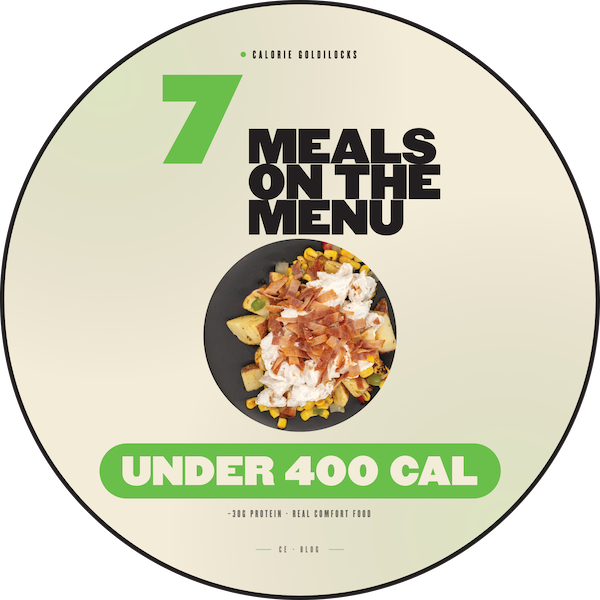
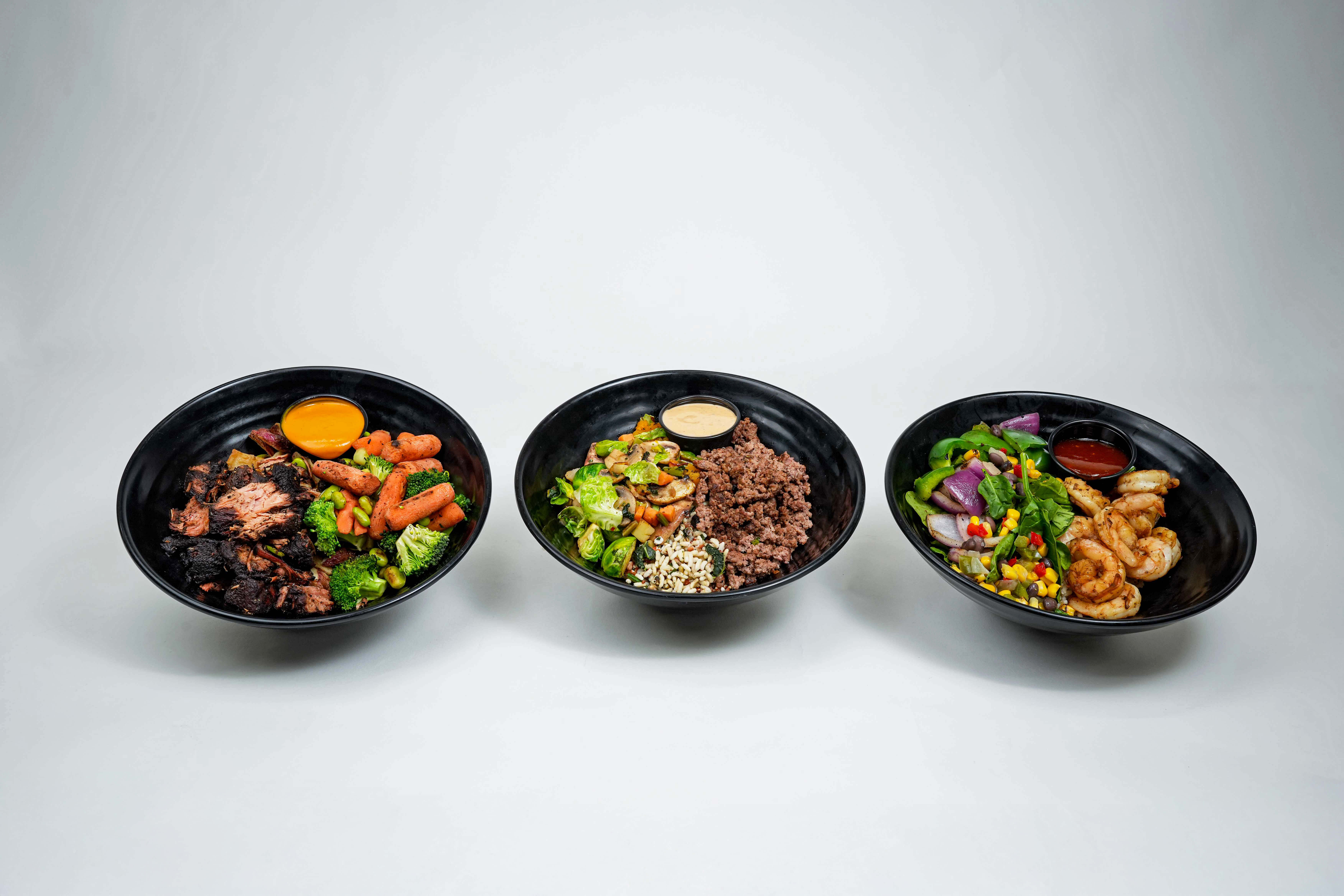
On busy days, Clean Eatz has ready meals that hit the same targets. Monterey Chicken is 235 calories with 31g of protein. Grilled Chicken Parmesan is 387 calories with 34g. See all seven Clean Eatz meals under 400 calories with full macros, all on the Grab 'N' Go menu.
6Snacks between meals
Good low calorie high protein snacks give you about 7g to 22g of protein for under 200 calories. That bridges a long afternoon without eating into dinner.
- 1/2 cup 1% cottage cheese: 81 calories, 14g protein
- 6 oz nonfat plain Greek yogurt: 100 calories, 17g protein
- 3 oz light tuna in water: 99 calories, 22g protein
- 1 cup prepared edamame: 188 calories, 18g protein
- 2 hard-boiled eggs: 155 calories, 13g protein
- 1 oz part-skim mozzarella: 72 calories, 7g protein
Pair a protein snack with fruit or vegetables for more volume. A cup of sliced strawberries adds 53 calories.
Some snacks sound high in protein but deliver little per calorie. A 1 oz handful of almonds has 164 calories and 6g of protein. Nuts are a healthy food, yet they work as a fat source on your plate.
7Prep it or pick it up
High protein meal prep works best when you cook two proteins and two vegetables once, then mix them through the week. You make portion decisions on Sunday instead of at every meal.
Cook 2 lb of chicken breast and 1 lb of shrimp or lean beef, two trays of vegetables and one pot of quinoa. Portion with the plate formula and keep sauces in small cups. USDA food safety guidance says to eat cooked leftovers within 3 to 4 days, so freeze any portions you won't eat by then.
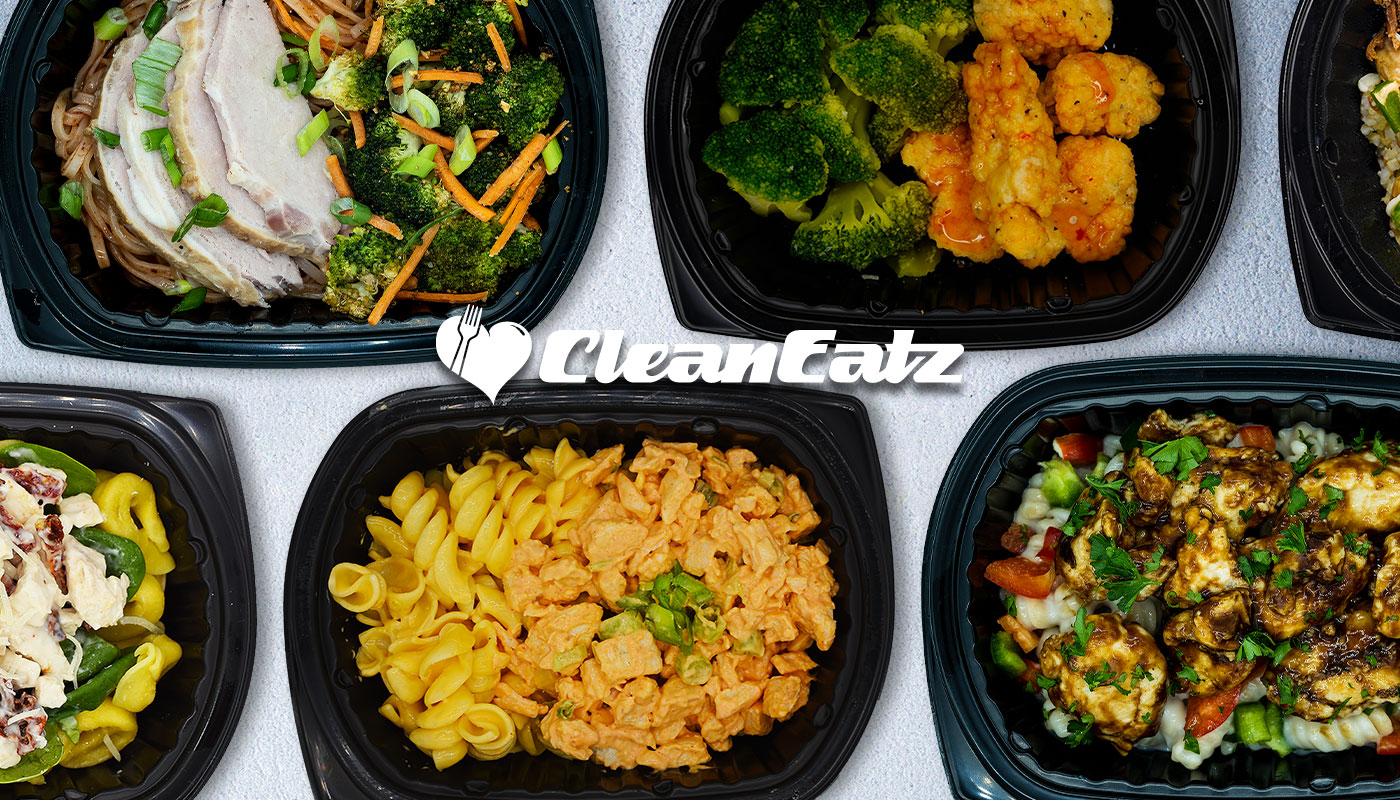
If you'd rather not cook, Clean Eatz does the prep. Check this week's Clean Eatz menu, then order a Weekly Meal Plan of 5, 10, 15 or 21 meals. The price per meal drops as the plan grows, from $8.89 at 5 meals to $7.19 at 21. Every label lists calories, protein, fat and carbs.
Two bundles fit this guide. The Shred bundle for getting lean gives you 5 low-carb versions of the week's meals, about 25g of carbs each, with protein kept high. The Builder bundle adds 2 oz of extra protein to each meal, about 14g more. Each bundle is 5 meals, priced from $52.70 to $53.70 depending on your cafe. Order by Sunday at 11:59 p.m. ET and pick it up at your local cafe.
For a meal today, Grab 'N' Go meals sit in your local cafe's cooler every day and heat in under 3 minutes.
Protein & calorie glossary
- Protein per calorie
- Grams of protein divided by calories, times 100. It shows how much protein a food gives you for its calories.
- Lean protein
- Under FDA and USDA labeling rules, lean meat, poultry or seafood has less than 10g of fat, 4.5g or less of saturated fat and less than 95mg of cholesterol per serving and per 100g.
- Energy density
- Calories per gram of food. Vegetables and fruit are low. Oils, nuts and cheese are high.
- Thermic effect of food
- The energy your body uses to digest food. It runs about 20% to 30% of calories for protein, 5% to 10% for carbs and 0% to 3% for fat.
- Macros
- Short for macronutrients: protein, carbs and fat. Protein and carbs have 4 calories per gram. Fat has 9.