What To Eat: Before & After The Gym
Jun 1, 2026FITNESS + NUTRITION GUIDE
What to Eat Before
and After the Gym
The specific nutrition your body needs around training — and how to hit those targets without spending your life in the kitchen.
You're putting in the work at the gym. But if you're eating the wrong things at the wrong times — or worse, not eating enough — you're leaving results on the table.
Pre-workout nutrition fuels performance. Post-workout nutrition fuels recovery. Getting both right doesn't require a nutrition degree — it requires protein, carbs, timing, and a system that makes it easy to stay consistent. Here's the straightforward guide.
Start With Your Numbers
How much protein do YOU need? Our free calculator gives you personalized targets in under 2 minutes.
GET YOUR MACROS →PRE-WORKOUT
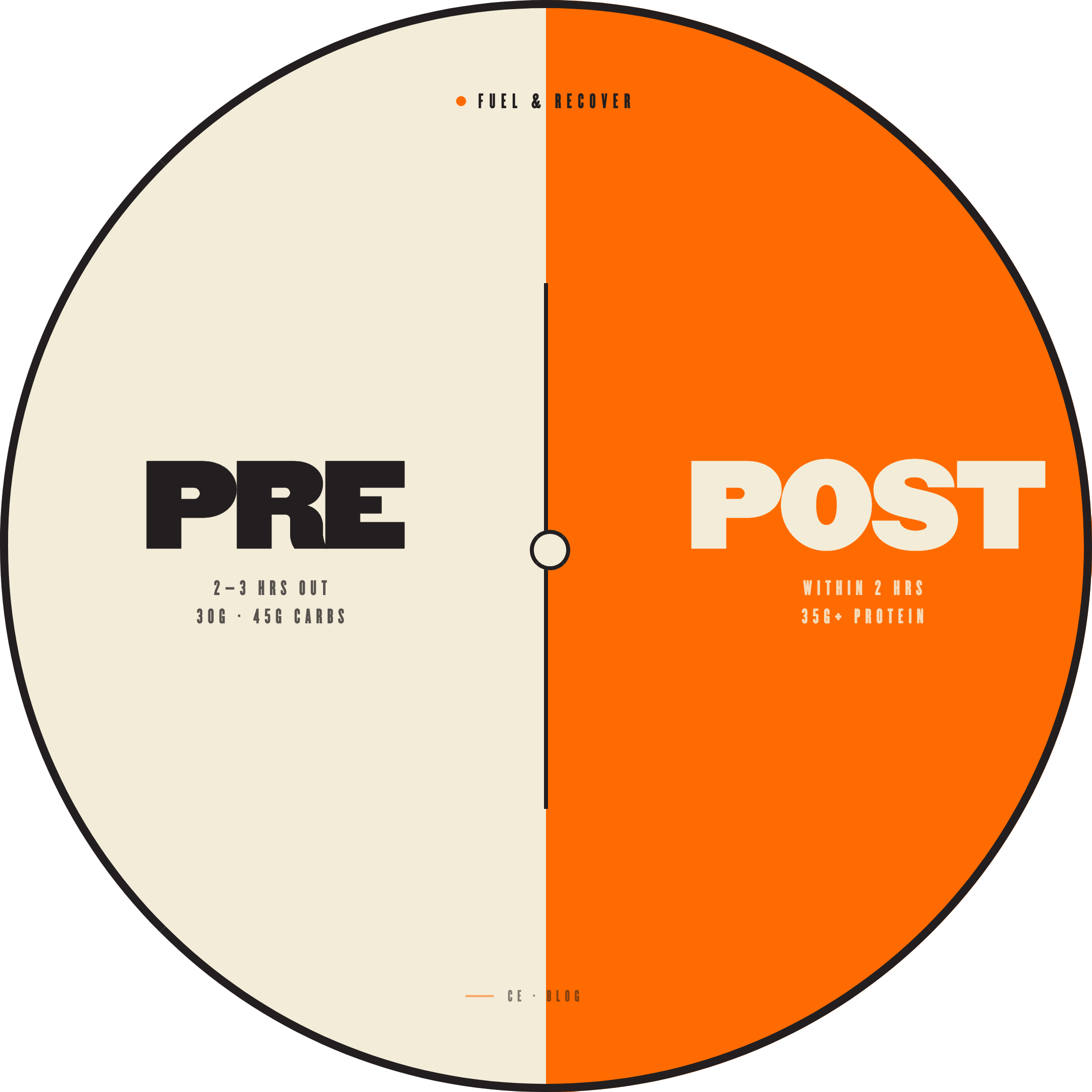
What to Eat Before Training (2–3 Hours Out)
Your pre-workout meal is fuel. You need enough carbs to power through your session and enough protein to prevent muscle breakdown during training. The research is clear: eating protein and carbs before exercise improves performance, reduces muscle damage, and enhances recovery compared to training fasted.
The Targets
20–30g protein + 30–50g carbs + moderate fat · 2–3 hours before training
Why carbs matter pre-workout: Carbohydrates are stored as glycogen in your muscles. That glycogen is your primary fuel source during intense exercise. If you train with depleted glycogen, your performance drops, your perceived effort increases, and you fatigue earlier. The "low carb before training" approach works for steady-state cardio but actively hurts performance during resistance training.
What this looks like with Clean Eatz meals: Teriyaki Chicken Stir Fry (31g protein, 45g carbs), Bourbon BBQ Mac & Cheese (30g protein, 50g carbs), or Gnocchi with Meatballs (31g protein, 49g carbs) — all hit the targets perfectly and are ready in under 3 minutes. Eat 2–3 hours before you train.
POST-WORKOUT
What to Eat After Training (Within 1–2 Hours)
Your post-workout meal does two things: it triggers muscle protein synthesis (the repair and growth process) and it replenishes the glycogen you burned during training. The "anabolic window" isn't as narrow as the supplement industry made it seem — you don't need to chug a shake in the locker room — but eating a protein-rich meal within 1–2 hours of training optimizes recovery.
The Targets
30–40g protein + moderate carbs (25–50g) · within 1–2 hours post-training
Why protein timing matters: Resistance training makes your muscles more receptive to protein for roughly 24–48 hours, with the highest sensitivity in the first few hours. Eating 30–40g of protein in that window maximizes the muscle-building signal. Spreading total protein across 3–5 meals matters more than any single post-workout meal — but this is still the highest-leverage meal of the day.
What this looks like with Clean Eatz meals: Beef Taco Bowl (38g protein, 29g carbs — the protein king), Chicken Sausage Bolognese (38g protein, 42g carbs), or Loaded Steak & Egg Omelette (35g protein, 29g carbs). Heat one up when you get home. Under 3 minutes, zero cooking, macros confirmed on the label.
The Full Day: A Sample Training Day Meal Plan
7:00 AM · BREAKFAST
Loaded Steak & Egg Omelette
382 cal · 35g protein · 14g fat · 29g carbs
12:00 PM · PRE-WORKOUT (2–3 hrs before gym)
Gnocchi w/ Meatballs
437 cal · 31g protein · 13g fat · 49g carbs — perfect pre-workout fuel
2:30–3:30 PM · GYM
Training session
5:00 PM · POST-WORKOUT
Beef Taco Bowl
448 cal · 38g protein · 20g fat · 29g carbs — maximum recovery fuel
8:00 PM · EVENING SNACK
Dark Chocolate PB Buckeyes (2) + Energy Bites (2)
~386 cal · ~14g protein
Daily Total
~1,653 cal · 118g protein · Zero cooking
Need More Protein? Builder Bundle.
Builder Bundle
Every meal gets an extra 2oz of protein. 5 meals for $52.70–$53.70. That's ~70g additional protein across the bundle — built for lifters who need more fuel without more cooking.
Add to your order →Keep Reading
Your Easy Guide to Visible Muscles (with 4-Day Workout Plan) →
How to Find Your Macros (And Actually Use Them) →
How to Meal Prep Without Meal Prepping →
Fuel the Work. Feed the Recovery.
Fresh meals · Exact macros · From ~$7/meal · 120+ locations
SEE THIS WEEK'S MENU →MAKING HEALTHY A LIFESTYLE, NOT A DIET.
Categories
- All Categories
- Exercises and Fitness
- GLP-1
- Gluten Free Diet
- Healthy Eating
- Healthy Recipes
- High Protein Diet
- Keto Diet
- Meal Prep Tips and Hacks
- News
- Weight Loss