Comparison
Brown rice vs white rice: which one belongs in your bowl
For most bowls, pick brown rice. It has five times the fiber and four times the magnesium per cup. White rice earns its spot around hard workouts.

By Romaine Rusnak, RD, LDN, Registered Dietitian at Clean Eatz. Published October 10, 2026.
The verdict
Brown most days, white around hard workoutsIn the white rice vs brown rice debate, brown takes the everyday bowl. A cup of brown rice gives you about five times the fiber and four times the magnesium of white rice, plus a little more protein. White rice digests fast, so it fits the hours around a hard workout, and in normal portions it's no villain. Browse our full cafe menu and build a bowl around your goal.
The bigger lever is how much rice you scoop, not its color. Here's what the USDA numbers and the research say, section by section.
Brown rice vs white rice at a glance
Here's brown rice vs white rice side by side, per cup of cooked long-grain rice. A plus mark shows which one comes out ahead on each line.
Brown wins on fiber and minerals. White wins on calories per cup, speed, and added iron and folate.
| What matters | Brown rice | White rice |
|---|---|---|
| Calories per cup | -248 | +205 |
| Fiber per cup | +3.2 g | -0.6 g |
| Protein per cup | +5.5 g | -4.3 g |
| Magnesium per cup | +79 mg | -19 mg |
| Iron & folate | -Lower, not enriched | +Higher when enriched |
| Glycemic index | +About 68 | -About 73 |
| Around workouts | -Slower, more fiber | +Fast, easy carbs |
| Arsenic | -Higher, it sits in the bran | +Lower |
Per cup of cooked long-grain rice, from USDA FoodData Central. White rice values are for enriched rice. Glycemic index from the 2008 international GI tables.
Nutrition per cup
Brown rice winsBrown rice nutrition beats white rice nutrition on most lines because brown rice keeps its bran and germ. Milling strips those layers off to make white rice, and most of the fiber and minerals leave with them.
Every number below comes from USDA FoodData Central, for one cup of cooked long-grain rice. For a whole meal, not just the rice, check the Clean Eatz nutrition facts.
Brown rice nutrition
One cup (202 g) has 248 calories, 5.5 g protein, 52 g carbs, 3.2 g fiber and 2 g fat. It also brings 79 mg magnesium, 208 mg phosphorus and about 2 mg manganese.
White rice nutrition
One cup (158 g) of enriched white rice has 205 calories, 4.3 g protein, 44.5 g carbs, 0.6 g fiber and less than half a gram of fat. Enrichment adds iron and folic acid back, so it beats brown on both: 1.9 mg iron and 153 mcg folate.
Calories & carbs
Close callBy the cup, white rice calories come in lower, 205 vs 248. Part of that is weight: USDA's cup of cooked brown rice weighs 202 g, its cup of white weighs 158 g. Gram for gram, brown rice calories are a bit lower, at 123 vs 130 per 100 g.
So the winner depends on how you measure. Scoop by the cup and white is lighter. Weigh your food and brown edges ahead.
Brown rice
About 52 g carbs per cup, with 3.2 g of that as fiber. A half cup is 124 calories and 26 g carbs, a good size for a lunch bowl.
White rice
About 44.5 g carbs per cup and almost no fiber. A half cup is 103 calories and 22 g carbs. Lighter per scoop, but less filling fiber.
To skip the measuring, try our Clean Eatz meals under 400 calories, with the exact macros on every label.
Is brown rice healthier than white rice
Brown rice winsFor most people, yes. Is brown rice healthier than white rice on every line? No. But it wins where it counts over years: fiber, minerals and whole grain.
The best evidence comes from large studies that followed people for decades. They show links, not proof, but they point the same way.
In a Harvard study of about 197,000 US adults, people who ate white rice five or more times a week had a 17% higher risk of type 2 diabetes than people who ate it less than once a month. Eating brown rice twice a week or more, vs less than once a month, was linked to an 11% lower risk. Harvard's guide to whole grains explains the gap: milling removes the fiber-rich bran and the nutrient-packed germ.
Brown rice
A whole grain with the bran still on. Its glycemic index is about 68, and it carries more fiber, magnesium and manganese.
White rice
A refined grain with a glycemic index of about 73, so it raises blood sugar a bit faster. That gap is small. Enriched white rice gets iron and folic acid added back, but not the fiber.
One honest knock on brown rice: rice takes up more arsenic than other grains, and it collects in the bran. FDA scientists found that cooking rice in lots of water and draining it, like pasta, cut inorganic arsenic in brown rice by about half. Rotating in other grains, like quinoa or oats, helps too.
Is white rice bad for you
Fine in normal portionsNo. Is white rice bad for you in the amounts most Americans eat? Probably not. It shouldn't be your only grain, but a scoop in a balanced bowl is fine.
The studies that worry people mostly come from places where rice shows up at nearly every meal. That context changes the answer.
A 2012 review in the BMJ pooled seven groups from four studies, more than 350,000 people in all. Each extra daily serving of white rice was linked to an 11% higher diabetes risk. The link was strong in China and Japan, where people averaged three to four servings a day. In Western groups eating one or two servings a week, it wasn't statistically clear.
Brown rice
The better default if rice shows up in most of your meals. The extra fiber adds up over a week of bowls.
White rice
Fine a few times a week. Pair it with lean protein and plenty of vegetables. In one small study of 15 healthy adults, white rice chilled for 24 hours and then reheated raised blood sugar less than fresh rice.
Rice for weight loss & training
Split decisionFor weight loss, brown rice is the better pick, mostly because of its fiber. On training days, white rice has the edge right before or after a hard session.
Your goal decides this one. Here's how each rice fits a cut and a training block.
Brown rice for weight loss
Brown rice for weight loss makes sense because fiber helps keep hunger in check. In a study of over 120,000 US adults, each extra daily serving of whole grains was linked to 0.37 lb less weight gain every four years. Still, watch the scoop. A full cup is 248 calories, so start with half.
White rice before & after workouts
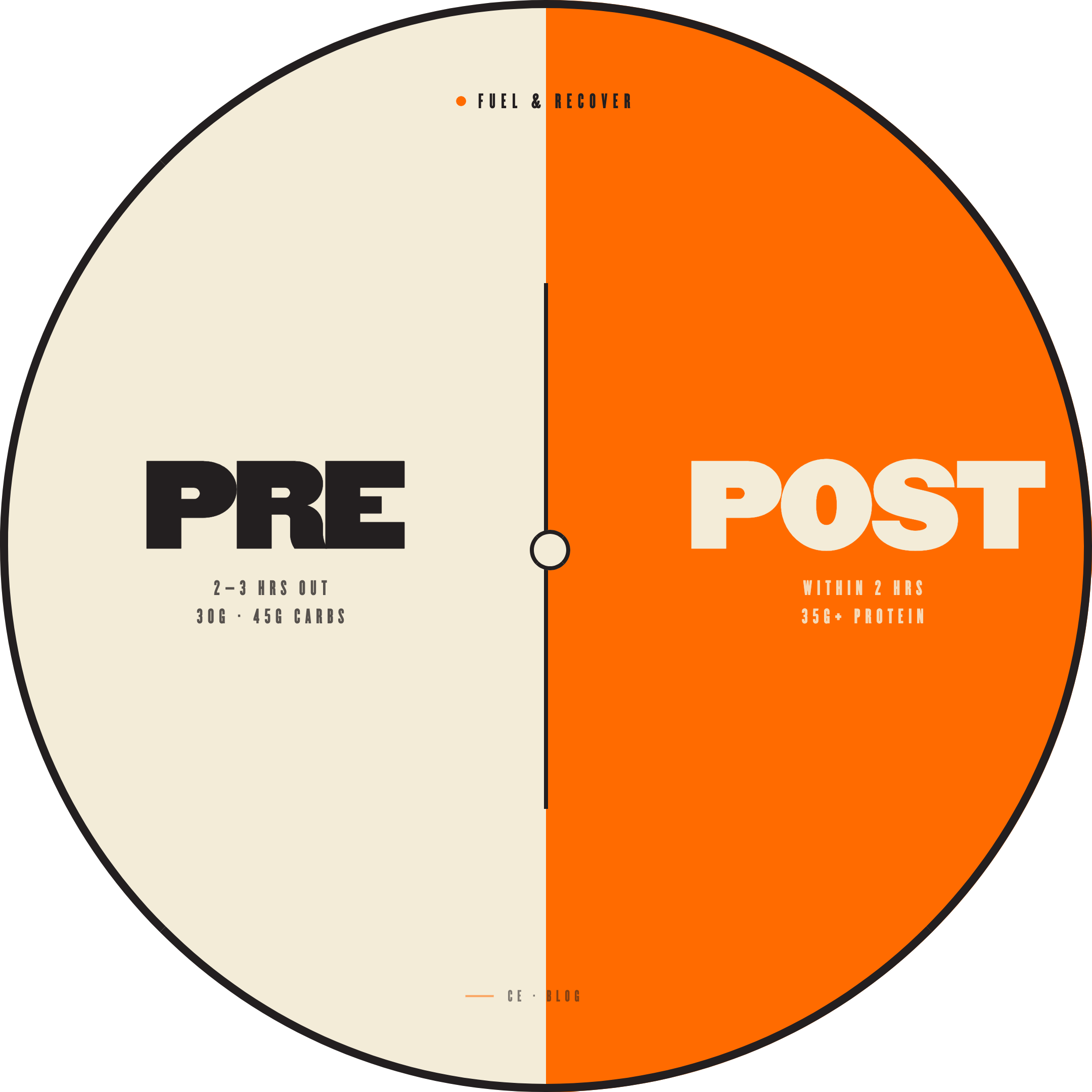
A cup gives you 44.5 g of carbs with almost no fiber or fat, a light pick before training if fiber sits heavy on you. If you train again within 4 hours, the ISSN favors carbs with a glycemic index over 70 to refill your muscles fast. White rice, at about 73, fits.
For more on fueling around lifts, read what to eat before and after the gym. If you need more protein too, the Builder Bundle adds an extra 2 oz of protein to every meal.
Jasmine rice vs brown rice
Brown rice winsJasmine rice vs brown rice plays out almost exactly like white vs brown. Jasmine is a fragrant long-grain rice, and unless the bag says brown jasmine, you're buying white rice.
Jasmine smells great, so it gets a health halo. The label tells a plainer story.
Jasmine rice labels in USDA's branded food database list about 350 to 360 calories and 80 to 84 g carbs per 100 g of dry rice, with little or no fiber. Plain long-grain white rice, dry, comes in at 365 calories and 80 g carbs.
Brown rice
More fiber, more magnesium and a nutty chew. The better everyday base for a bowl.
Jasmine rice
Soft, fragrant and great with teriyaki flavors. Count it as white rice. Brown jasmine keeps the aroma and the bran.
Lower-carb swaps for your bowl
Half & half winsThe easiest way to cut carbs is to shrink the rice, not ditch it. Swap half your scoop for cauliflower rice and you cut the carbs nearly in half.
You don't have to give up rice to eat lower carb. These swaps keep the bowl full.
A cup of cooked cauliflower has about 29 calories and 5 g carbs. Quinoa is another option, with 222 calories, 8 g protein and 5 g fiber per cup, more of both than either rice. For more ideas, see our guide to cauliflower rice & low-carb eating.
Brown rice
Mix a half cup of brown rice with a half cup of cauliflower rice. You get about 140 calories, 28 g carbs and 3 g fiber, vs 248 calories and 52 g carbs for a full cup of rice.
White rice
The same trick works. A half cup of white rice plus a half cup of cauliflower rice is about 117 calories and 25 g carbs, with under 2 g fiber.
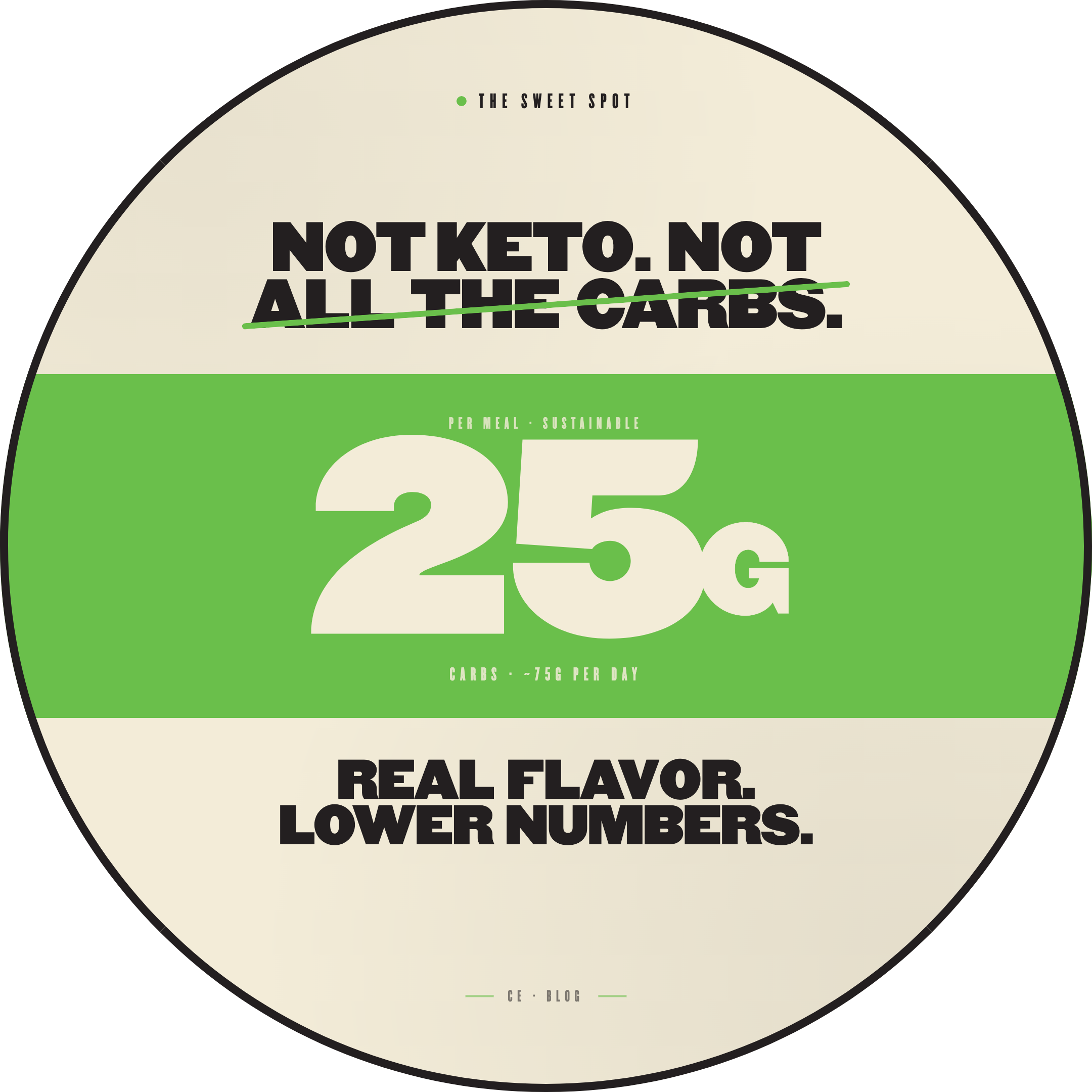
To skip the math, the Shred Bundle swaps the rice for veggies in five meals a week and keeps carbs around 25 g per meal.
Brown rice vs white rice FAQ
Short answers to three rice questions people ask us most.